
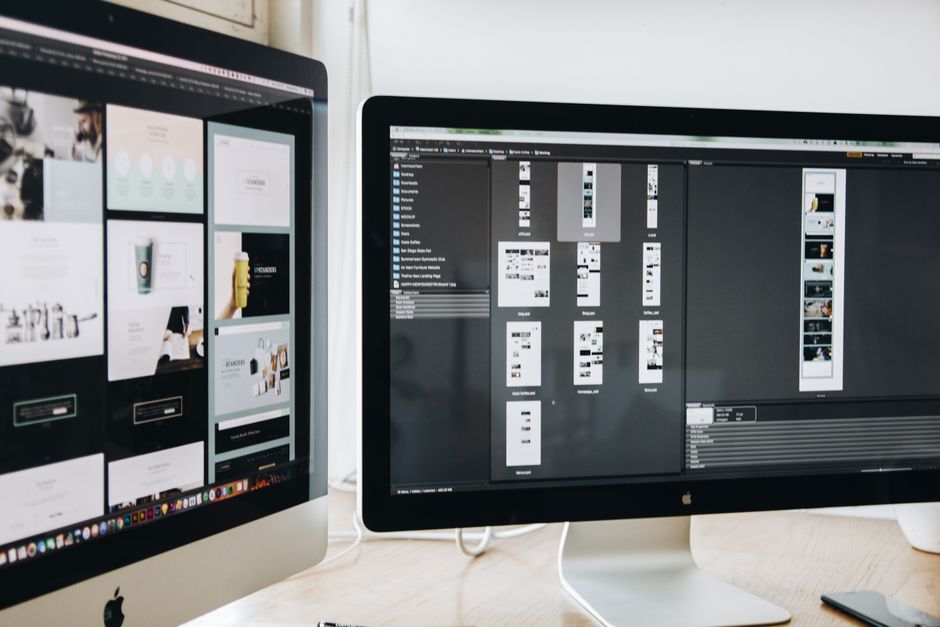
Introduction to Custom Website Design
Custom website design is the process of planning, creating, and maintaining a unique website experience that reflects your brand, supports your goals, and helps visitors take action.
Here is a quick overview of what custom website design covers:
| Area | What It Means |
|---|---|
| Visual Design | Colors, typography, imagery, and branding |
| Layout and Structure | How content is organized on each page |
| User Experience (UX) | How easy and intuitive the site is to use |
| Responsive Design | How the site adapts to mobile, tablet, and desktop |
| SEO and Accessibility | How well the site ranks and works for all users |
Every business with an online presence depends on custom website design. It is often the first impression a potential customer has of your brand. A site that looks outdated, loads slowly, or is hard to navigate can cost you real customers and real revenue.
The stakes are higher than most business owners realize. Web accessibility lawsuits increased by 35% in recent years, and Google now treats page speed, mobile usability, and user experience as direct ranking factors. Getting your website right is no longer optional.
I’m Scott Brazdo MBA, CEO of Black Tie Digital Marketing, and with over 20 years of experience leading the custom website design and rebranding of more than 500 companies, I have seen what separates a website that converts from one that just exists. At Black Tie Digital Marketing, we specialize in high end WordPress websites built from scratch with no templates or premade themes. That custom approach is one of the qualities that makes our agency different, because every site is designed around the business, the brand, and the customer journey. This guide walks you through everything you need to know to make smart decisions about your website.

Distinguishing Custom Website Design from Development
When we talk about building a website, people often use the terms design and development as if they mean the same thing. In reality, they are two different sides of the same coin. We like to think of it like building a house. The designer is the architect who decides where the windows go, what the facade looks like, and how the rooms flow. The developer is the structural engineer and the builder who ensures the walls are sturdy, the plumbing works, and the electricity reaches every outlet.
Custom website design focuses on the visual aesthetics and the user interface (UI). This includes the layout structure, the color palette, and the typography. A designer spends their time in tools like Figma or Adobe Creative Cloud to create a blueprint of the user experience. They ask questions such as (Is this button easy to find?) or (Does this image represent the brand accurately?). This creative phase is essential for Custom Web Design because it ensures the site reflects the unique personality of the business instead of forcing the brand into a template.
On the other hand, web development involves the actual coding that makes the design come to life. Front end developers use languages like HTML, CSS, and JavaScript to turn the visual mockups into something you can click on. Back end developers handle the systems that live on the server, such as databases, payment processing, and security.
Modern websites also require deep technical integration to function in a competitive market. This is where Web Integration: The Key to a 21st Century Website Experience becomes vital. A truly effective site connects your design to your CRM, your inventory management, and your marketing tools, creating a seamless flow of data that helps your business grow.
Core Principles of Effective Custom Website Design
Creating a beautiful website is a great start, but beauty alone does not pay the bills. To be effective, a site must follow specific principles that guide a visitor toward taking action. We often see sites that are cluttered with too much information, which leads to a high bounce rate. The goal is to balance aesthetics with functionality.
One of the most important principles is visual hierarchy. This refers to the arrangement of elements in a way that implies importance. By using size, color, and placement, we can lead the user’s eye to the most important parts of the page, such as your headline or your primary call to action.
Another key element is white space, often called negative space. This is the empty area between different sections of your site. It is not wasted space. Instead, it allows the content to breathe and prevents the user from feeling overwhelmed. When a site uses white space correctly, it feels professional and high end.
Typography and color theory also play massive roles in how your brand is perceived. Choosing the right fonts ensures readability, while the right colors can evoke specific emotions. For example, blue often conveys trust and stability, while orange can spark energy and excitement. You can find more about these foundational elements in our post on What Makes a Good Website?.
For those looking to improve their current site, we have compiled a list of Website Design Tips That Never Fail to help you stay ahead of the curve. Furthermore, we always look at web.dev for the latest scientific research on web performance to ensure every site we build is as fast as possible.
Responsive Layouts and Mobile Optimization
In May 2026, more people are browsing the internet on their phones than on their computers. This shift has made responsive design a non negotiable requirement for any business. A responsive layout uses fluid grids and flexible images to ensure the website automatically adjusts its size and orientation based on the device being used.
If a user has to pinch and zoom to read your text or click a button, they will likely leave and find a competitor. Google also uses mobile first indexing, which means they look at the mobile version of your site first when deciding where to rank you in search results.
We often ask our clients, Does Your Website Work on Mobile Devices? because the answer determines the future of their digital marketing success. If you are still on the fence about whether your site needs an update, check out these 5 Important Things to Know About Responsive Design. A site that works everywhere is a site that is ready to do business.
Accessibility and Search Engine Optimization
Accessibility is about making sure everyone, including people with disabilities, can use your website. This includes following WCAG standards, which provide guidelines for things like color contrast, keyboard navigation, and screen reader compatibility. For example, users with motor impairments might rely on the Tab key to move through your site instead of a mouse. If your site is not built to handle that, you are locking out a significant portion of your audience.
Beyond being the right thing to do, accessibility is also a legal concern. As we mentioned earlier, lawsuits related to digital accessibility are on the rise. We ensure that every site we touch is Website Mobile Friendly and accessible to the widest possible audience.
Search Engine Optimization (SEO) is the other side of the visibility coin. You want your site to be found by people searching for your services in Orlando, Melbourne, or anywhere in Central Florida. Good custom website design incorporates SEO from the very beginning. This means using clean code, fast loading images, and a logical structure that search engines can easily crawl. Your Website Should Make You Money, and it cannot do that if nobody can find it or use it.
Modern Tools and AI Integration
The tools we use to build websites have evolved rapidly. While we still rely on industry standards like Figma for prototyping and Adobe Creative Cloud for visual assets, we have seen a massive shift toward more flexible platforms.
One of the best ways to maintain a site today is by using a Four Reasons to Switch to a Custom WordPress Gutenberg Website. This system allows for a modular approach where we can build custom blocks that you can drag and drop yourself. It gives you the power to update your content without needing to call a developer for every tiny change.
Below is a comparison of how different tools stack up in the modern market:
| Tool Category | Popular Examples | Best For |
|---|---|---|
| Visual Editors | Figma, Adobe XD | Layout design and prototyping |
| Custom CMS | WordPress (Gutenberg) | Scalable, high performance business sites |
| DIY Builders | Squarespace, Wix | Very small projects with low complexity |
| Creative Specific | Showit | Designers who want total visual control |
AI Powered Custom Website Design Features
AI has changed the way we work in ways we could only imagine a few years ago. In 2026, we use AI to help with generative layouts and automated content creation. This does not mean a machine is designing the site for you, but it does mean we can work much faster. AI can help us generate initial wireframes or suggest personalized user flows based on how people are interacting with your pages.
One of the most exciting developments is Answer Engine Optimization (AEO). As more people use AI tools like ChatGPT or Perplexity to find information, your website needs to be structured in a way that these “answer engines” can read and cite your content. We are no longer just designing for humans and Google, we are designing for the AI models that help humans make decisions.
Custom Website Design and Industry Demand
The demand for skilled designers is at an all time high. Businesses in Florida and across the globe have realized that their digital presence is their most valuable asset. This has created a strong need for agencies that can blend strategy, creative direction, technical skill, and long term marketing support.

For businesses choosing a partner, the difference between a template website and a custom website matters. A template can be fast, but it often limits brand expression, performance, scalability, and conversion strategy. A custom WordPress website built from scratch gives the business more control over structure, design, integrations, SEO foundations, and the way customers experience the brand online.
Why Built From Scratch Matters
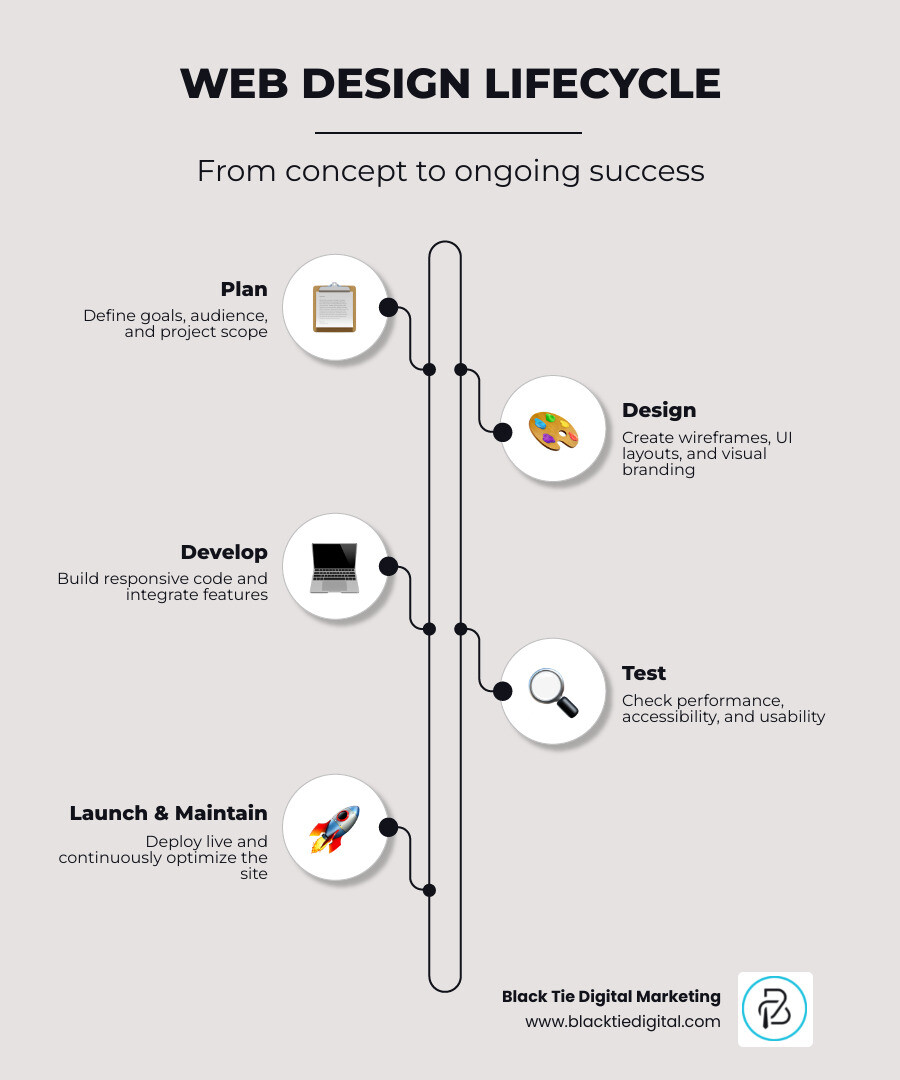
A custom website begins with discovery, strategy, wireframes, design, development, testing, and launch planning. Instead of starting with a premade theme and trying to fit the business inside it, the site is shaped around the company’s audience, services, goals, and competitive position.
That is especially important for high end brands and service businesses that need to build trust quickly. When the site is designed from scratch, every page can support a clearer user journey, stronger calls to action, better performance, and a more polished brand impression.
Frequently Asked Questions about Custom Website Design
What is the difference between custom website design and development?
As we discussed earlier, design is about the look, feel, and user experience. It involves the visual elements and how a user interacts with the site. Development is the technical side, involving the code (HTML, CSS, PHP, JavaScript) that makes the site function and communicate with servers.
How long does it take to design a professional website?
The timeline varies depending on the complexity of the project. A simple brochure style site might take four to six weeks, while a complex e-commerce platform or a custom integrated system could take several months. The process includes discovery, planning, design, development, testing, and finally, the launch.
Why is custom WordPress website design valuable for modern businesses?
It is valuable because your website should be built around your business, not forced into a generic theme. A custom WordPress site gives you a stronger brand experience, better flexibility, cleaner structure, and a foundation that can support SEO, AI optimization, integrations, and future growth.
Conclusion
At Black Tie Digital Marketing, we believe that your website should be your hardest working employee. It should be available 24/7 to answer questions, build trust, and generate leads. By combining the power of ten traditional vendors into one innovative partner, we help businesses in Orlando, Melbourne, and throughout Central Florida create custom website design experiences that truly stand out.
Whether you need a high end Custom Web Design built from scratch in WordPress or you want to optimize your current site for the age of AI, we are here to help. The digital landscape is constantly changing, but with the right partner, you can turn those changes into opportunities for growth. Reach out to us today to start your journey toward a better online presence.